
In 2026, Android applications are more complex than ever. With foldable devices, wearables, smart home integrations, and AI-driven features becoming mainstream, testing is no longer a final step—it is a continuous process embedded throughout development. Businesses in competitive markets like Toronto understand that quality assurance (QA) directly affects user retention, brand credibility, and revenue.
For any reputable Android app development company in Toronto, maintaining rigorous testing standards is essential to delivering reliable, secure, and high-performing applications. As user expectations increase, QA strategies must evolve to meet the demands of modern Android ecosystems.
Shift-Left Testing Becomes the Standard
One of the most significant trends in 2026 is the widespread adoption of shift-left testing. Instead of waiting until the end of development to identify bugs, teams now integrate testing from the earliest stages of planning and coding.
Developers and QA specialists collaborate closely, writing test cases alongside application features. This proactive approach reduces costly late-stage fixes and accelerates release cycles. An experienced Android app development company in Toronto prioritizes early-stage code reviews, automated unit tests, and integrated performance checks to minimize risk.
By identifying vulnerabilities during development, businesses avoid production failures that could damage user trust.
AI-Powered Automated Testing
Artificial intelligence is transforming QA processes. In 2026, AI-driven testing tools can detect anomalies, predict potential failure points, and even generate test scripts automatically.
This reduces manual workload while improving coverage. Automated regression tests ensure that new updates do not disrupt existing features. A forward-thinking Android app development company in Toronto integrates AI-powered tools into its CI/CD pipelines to maintain efficiency without compromising thoroughness.
AI also helps simulate user behaviour patterns, identifying usability issues that might otherwise go unnoticed. The result is a more intuitive and stable application experience.
Comprehensive Device and OS Fragmentation Testing
Android’s diverse device ecosystem has always posed a challenge. In 2026, the range of screen sizes, hardware capabilities, and operating system versions continues to expand.
Testing across multiple configurations is critical. From flagship smartphones to budget models and foldable devices, apps must function consistently. A trusted Android app development company in Toronto leverages cloud-based device farms to test applications across hundreds of real and virtual devices.
This ensures compatibility and smooth performance regardless of hardware variations. Ignoring fragmentation can lead to crashes, negative reviews, and lost customers.
Performance and Load Testing at Scale
Performance is a key differentiator in competitive app markets. Users expect fast loading times, seamless navigation, and minimal battery drain.
In 2026, QA teams focus heavily on performance and load testing. Applications are evaluated under simulated high-traffic scenarios to ensure stability during peak usage. A skilled Android app development company in Toronto conducts stress tests and monitors memory usage, CPU load, and network efficiency to optimize resource consumption.
Battery performance is another growing priority. Apps that drain power quickly are often uninstalled, making energy efficiency testing essential.
Security Testing in a Privacy-Conscious Era
With evolving cyber threats and stricter privacy regulations, security testing has become a central focus in Android development. Data encryption, secure API integrations, and vulnerability scanning are standard practices.
Penetration testing and ethical hacking simulations help identify weaknesses before malicious actors can exploit them. A responsible Android app development company in Toronto ensures compliance with Canadian privacy standards while safeguarding sensitive user information.
In 2026, users are more aware of digital risks. Applications that demonstrate strong security protocols build trust and long-term loyalty.
Continuous Integration and Continuous Testing
Continuous integration and continuous delivery (CI/CD) pipelines are now deeply integrated into Android workflows. Every code update triggers automated tests, ensuring that errors are identified immediately.
This continuous testing model shortens feedback loops and supports rapid feature deployment. A modern Android app development company in Toronto relies on automated pipelines that integrate seamlessly with version control systems and cloud testing environments.
The advantage is clear: faster releases with fewer defects. Businesses can respond quickly to market changes without sacrificing reliability.
User-Centred Usability Testing
Beyond technical functionality, usability testing plays a significant role in 2026. Apps must feel intuitive and accessible to diverse audiences.
Real-user testing sessions, accessibility audits, and behavioural analytics provide valuable insights. A reputable Android app development company in Toronto incorporates feedback from beta testers and conducts usability reviews to refine design and interaction flows.
Accessibility testing ensures compatibility with screen readers, voice navigation tools, and other assistive technologies. Inclusive design strengthens brand reputation and expands audience reach.
Testing for Emerging Technologies
Android apps increasingly integrate emerging technologies such as augmented reality, IoT devices, and AI assistants. Testing these integrations requires specialized expertise.
For example, AR features must perform smoothly without causing lag or overheating. IoT integrations must securely communicate with connected devices. A forward-looking Android app development company in Toronto develops customized test environments to evaluate these advanced features effectively.
Staying ahead of technological trends requires adaptable QA frameworks capable of handling innovation without compromising stability.
Sustainability and Resource Efficiency Testing
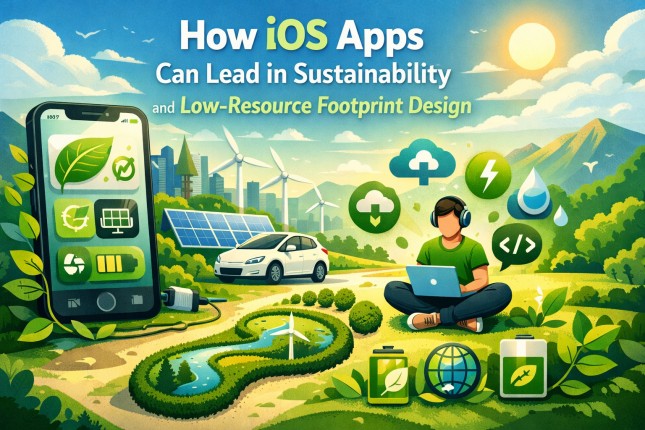
Environmental responsibility is becoming part of digital strategy. QA teams now assess not only performance but also resource efficiency.
Optimizing background processes, minimizing unnecessary data transfers, and reducing redundant API calls contribute to greener app operations. An experienced Android app development company in Toronto integrates sustainability checks into performance evaluations.
Efficient applications consume less energy and data, benefiting both users and infrastructure providers. Sustainable testing practices align business growth with environmental responsibility.
Collaboration Between Developers and QA Teams
In 2026, QA is no longer an isolated department. Developers and testers work as unified teams, sharing accountability for quality.
Regular code reviews, sprint retrospectives, and performance audits encourage continuous improvement. A leading Android app development company in Toronto fosters open communication between cross-functional teams, ensuring that quality standards are upheld throughout the project lifecycle.
This collaborative culture reduces misunderstandings and accelerates innovation without compromising reliability.
Build Reliable Android Applications with Knovatek Inc.
As Android ecosystems grow more complex, robust testing and quality assurance practices are essential for success. Businesses that prioritize comprehensive QA strategies protect their brand reputation and deliver exceptional user experiences.
Knovatek Inc. combines advanced testing methodologies with deep technical expertise to create secure, high-performance Android applications. If you are ready to launch a reliable and future-ready mobile solution, connect with Knovatek Inc. today and elevate your Android development strategy for 2026 and beyond.